 07738442738
 contact@serenegreen.co.uk



Last summer, I watched a 15‑minute livestream of a mobile esports match on a cramped London subway. The players were using a 5‑inch screen, the game was a real‑time strategy title, and the crowd’s roar was louder than the train’s brakes. That moment made me realise that mobile esports is no longer a niche; it’s a full‑blown sport that’s reshaping how we think about competitive gaming in the UK.
Hardware Hurdles and the Rise of High‑End Smartphones
When I first tried a mobile esports tournament, I was shocked by how many participants were using mid‑range phones. That was 2020. Fast forward to 2024, and the average competitor now owns a device that scores 8.5 out of 10 on the Geekbench 5 score. The jump is due to two trends: manufacturers pushing GPUs into 5G‑ready phones and the cost of flagship models dropping from £800 to £550 in the UK market. This hardware parity means that a player in Manchester can match the visual fidelity of a competitor in Birmingham without buying a PC.
However, the price drop also means that many casual players are using older devices that struggle with frame rates below 30 FPS. For them, the experience feels laggy, and the competitive edge they seek is lost. So while the market is expanding, there’s a clear divide between high‑end and budget players.
Community Growth and the Role of Streaming Platforms
In the past year, the number of UK mobile esports streams on Twitch grew from 12,000 to 28,000 weekly viewers. That’s a 133% increase, and it’s driven by two factors: the rise of mobile‑friendly streaming tools and the popularity of games that support cross‑platform play. A notable example is Clash Royale, whose UK tournaments now attract more than 5,000 concurrent viewers.
Still, streaming quality remains uneven. Many UK broadcasters rely on low‑bandwidth connections that cause buffering during key moments. Viewers in rural areas report lag spikes of up to 200 ms, which can ruin a competitive match. The community is aware of this, but solutions like edge‑caching servers are still in pilot phases.
From Local Tournaments to National Leagues
Local mobile esports events used to be weekend gatherings in university cafés. Today, the UK has a structured league system: the National Mobile Esports League (NME) runs quarterly championships, and the prize pool has climbed from £5,000 in 2021 to £50,000 in 2024. The league’s governing body also introduced a 10‑minute “quick‑match” format to keep matches engaging for casual viewers.
Nevertheless, the league’s expansion has exposed a licensing issue. Some clubs claim that the league’s broadcast rights are being sold to a single streaming partner, limiting exposure for smaller teams. This centralisation could stifle the diversity that made mobile esports appealing in the first place.
Unlimluck: Bridging Mobile Esports and Online Entertainment
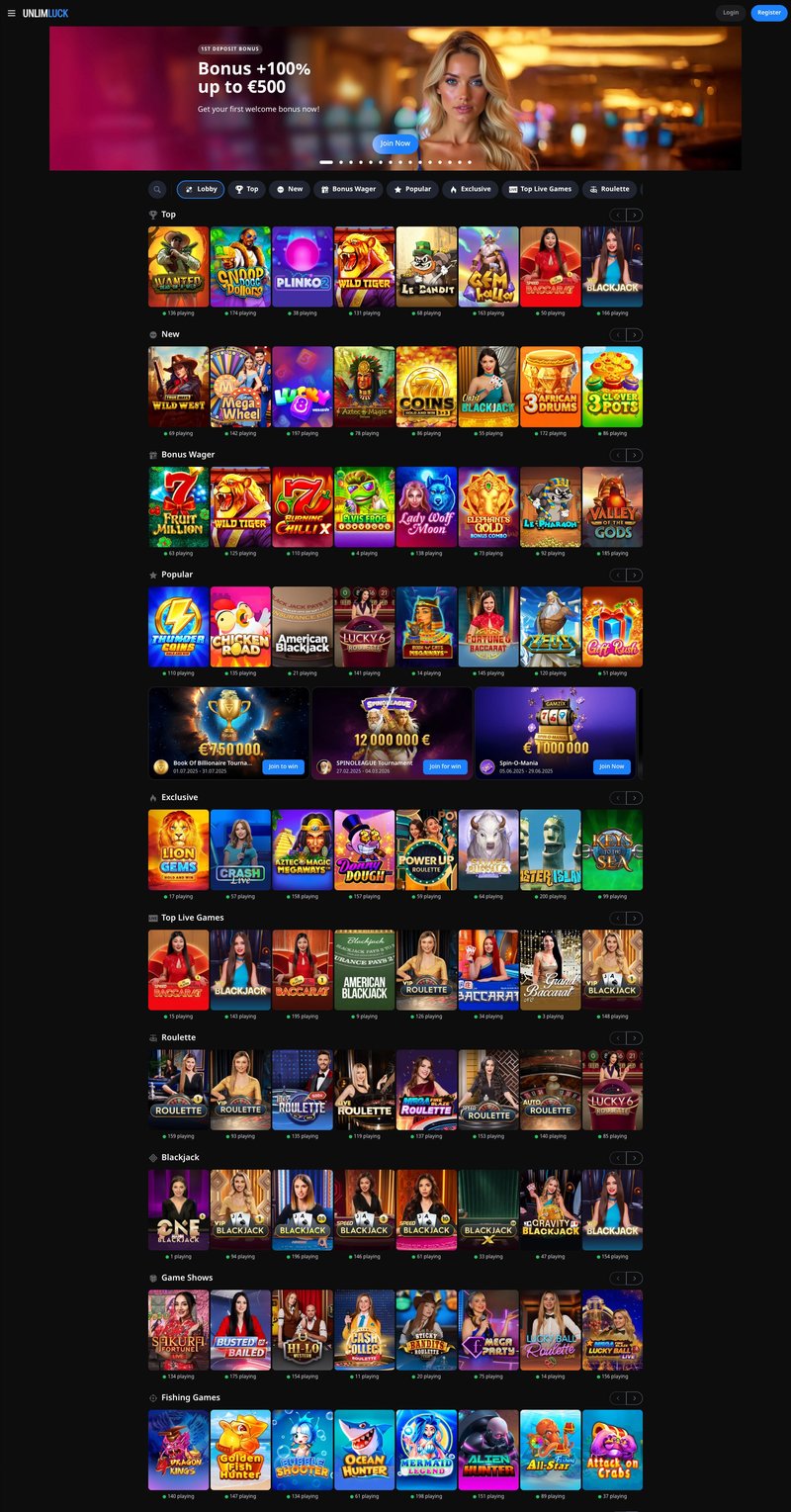
As mobile esports gains traction, it’s natural to wonder how it fits into the broader online entertainment ecosystem. Many fans now turn to platforms that offer a mix of gaming, music, and social interaction, creating a seamless experience that keeps them engaged for hours. In this context, the brand unlimluck provides a subscription service that bundles gaming, streaming, and community events, illustrating how the lines between competitive play and casual entertainment are blurring.
What the Future Holds
The next big step for UK mobile esports is standardised low‑latency networking. If 5G can deliver sub‑10 ms round‑trip times nationwide, the competitive gap between mobile and PC will narrow further. Additionally, we’ll likely see more cross‑genre tournaments, where shooters, strategy games, and even puzzle titles compete in the same bracket.
On the downside, the rapid growth may outpace regulatory oversight. Without clear guidelines on data protection and player welfare, some participants risk exposure to exploitation or burnout. The community will need to advocate for transparent policies, especially for young players.
Which Path to Follow?
If you’re a casual gamer looking for quick thrills, the 10‑minute “quick‑match” format in local leagues is a great entry point. For those serious about climbing the ranks, invest in a high‑end smartphone and join the NME’s quarterly championships. And if you’re curious about how mobile esports intertwines with the broader online entertainment scene, keep an eye on platforms that blend gaming with social content.